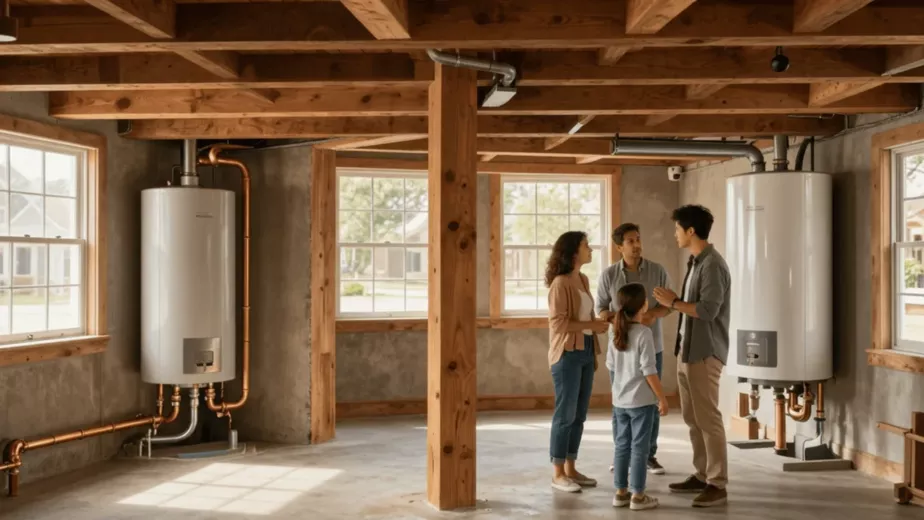
Cold snaps in New York don’t wait for you to be ready. One week it’s 55 and sunny, the next your furnace is running at 2 a.m. and hasn’t stopped since. Knowing how to winterize your home before that first real freeze is less about comfort and more about math: every gap you don’t seal is money leaving your house, hour after hour, all winter long.
Most of what actually works doesn’t cost much. A caulk gun, a few hours, maybe a Saturday. That’s often enough to notice a difference on your next gas bill. This isn’t a renovation list. It’s a room-by-room plan built around how New York housing actually loses heat, plus a couple of state programs that will pay for part of it if you qualify.
TL;DR
- Older New York housing loses heat through hidden leaks, usually in the attic and basement, not just around windows and doors.
- A free or low-cost energy audit through NYSERDA’s EmPower+ tells you exactly where to start instead of guessing.
- Seal leaks before adding insulation. Insulation alone doesn’t stop moving air.
- A fall furnace checkup and a clean filter keep the system running efficiently all season.
- Thermostat around 68 while home, lower while away or asleep, can cut heating costs close to 10% a season.
- A fixed-rate plan protects the price side of your winter gas bill while home fixes handle the usage side.
Why New York Homes Lose Heat So Fast?
A lot of New York’s housing predates modern insulation codes by decades. Think prewar brick in Brooklyn, 1920s frame houses upstate, apartment buildings where the windows haven’t been replaced since the Carter administration. Older construction like that leaks air. Badly. Gaps around window frames, thin or missing attic insulation, basement rim joists nobody’s looked at since the house was built, these all let warm air out and cold air back in.
You won’t see one dramatic leak. You’ll see a furnace that never quite shuts off and a bill that creeps up every December like clockwork.
Apartments have their own version of this problem. Shared walls, old plumbing chases, baseboards that were never properly sealed when the building went up. Renters can’t tear into a wall, obviously, but they can still feel the draft along the floor near an exterior wall at 11 p.m. in January. If you’re renting and wondering how you winterize your home when you don’t own the building, start with whatever you can actually touch: window seals, door gaps, outlet covers. It adds up.
Anyone chasing how to lower the energy bill in winter inside a rental unit is stuck with the same short list, just smaller in scope. No attic access, no basement to check, but a tube of removable caulk and a pack of outlet gaskets still goes a long way.
Start With an Audit, Not a Guess!
Before you buy anything, figure out where the heat is actually going. NYSERDA’s EmPower+ program gives income-eligible New Yorkers a free home energy assessment. If you don’t qualify, a certified home performance contractor can run the same kind of walkthrough for a fee. Either way, you end up with a list instead of a hunch, which matters, because guessing wrong means spending money on insulation when the real problem was a gap around your dryer vent.
Seal First. Insulate Second.
Here’s where most people get it backwards. Insulate home for winter advice usually jumps straight to the attic, but insulation only slows heat transfer. It does nothing to stop moving air. And moving air is the bigger problem.
ENERGY STAR’s guide to sealing and insulating makes a point worth repeating: most of a home’s worst leaks aren’t around the windows and doors everyone blames. They’re hidden in the attic and basement. Warm air rises, finds a gap, escapes, and pulls cold air in behind it through every opening below. It’s basically a chimney effect running through your whole house.
So seal first. Weatherstripping on doors. Caulk around window trim. Foam sealant wherever a pipe or wire runs into the attic. None of this requires a contractor, and most of it you can finish in an afternoon. Once the gaps are closed, home insulation and wall insulation actually do their job instead of leaking heat right back out through the cracks you skipped.
Give the Furnace a Fall Checkup.
Your furnace is doing more work than any other appliance in the house for roughly five months straight, so treat it that way. A dirty filter forces it to run longer to hit the same temperature. That’s a higher gas bill and a higher chance of a breakdown on the coldest night of the year, which, somehow, always seems to be when it happens.
If your unit is pushing 15 or 20 years old, ask about it during the fall tune-up. A furnace installation now, before anything fails, is a very different conversation than an emergency one in January with no heat and a waitlist.
Set the Thermostat and Leave It Alone.
The best temperature to set the thermostat in winter to save money sits around 68 degrees while you’re home and awake. Drop it 7 to 10 degrees while you sleep or while nobody’s there. That’s it. That single habit can shave close to 10% off a season’s heating costs, and you genuinely won’t notice the difference while you’re actually in the house.
A smart thermostat handles this automatically, which matters more than people expect, because the manual version only works if someone remembers to touch the dial before bed. Most nights, nobody does. Of all the ways to cut a heating bill without spending anything upfront, a schedule you don’t have to think about wins.
Winter Energy Saving Tips That Take an Afternoon.
Not everything here needs a contractor or a budget. A few of these take ten minutes:
- Reverse your ceiling fans so they run clockwise on low. Pushes the warm air pooling near the ceiling back down where you’ll actually feel it.
- Open curtains on south-facing windows during the day. Free heat. Close them again at night so you’re not losing it back out through the glass.
- Draft stoppers on interior doors to rooms you’re not heating, like a guest room or a basement nobody uses in January.
- Water heater set above 120 degrees? Turn it down. Most households don’t need it that high.
If you’re looking for how to save energy without touching a renovation budget, these small habits do more than people assume, especially layered on top of sealing and a thermostat schedule.
Space Heaters: Help or Hidden Cost?
A portable heater feels like one of the obvious energy saver options. Heat one room instead of running the whole furnace, right? Used sparingly, sure. But electric space heaters are expensive to run for hours at a stretch, so they work best as a short-term fix in one occupied room, not a replacement for fixing a cold house. If you’re pulling one out every single evening in the same spot, that’s not a space heater problem. That’s a draft problem you haven’t dealt with yet.
Why Is My Gas Bill So High in the Winter?
Ask anyone why their gas bill is so high every winter and you’ll usually get some version of three answers at once: the house is losing heat faster than it should, the heating system isn’t running efficiently, and natural gas itself just costs more to burn in volume during the coldest stretch of the year. The EIA’s Winter Fuels Outlook tracks how these costs shift season over season nationally, and the Northeast tends to see sharper swings than most regions, largely because of how much gas it burns for both heat and electricity generation once temperatures drop.
How to reduce your gas bill starts with everything above, sealing, insulating, servicing the furnace. None of it requires switching plans or providers. If the question is narrower, more like how do I reduce my gas bill this month specifically, the fastest lever is usually the thermostat schedule, followed by whatever drafts you can knock out in a single afternoon.
Renters and anyone who can’t touch the building structure still have options. How to reduce gas bill totals without structural changes mostly comes down to the smaller stuff: lower water heater temps, draft stoppers, a thermostat schedule you actually stick to instead of cranking the heat up and down all day. Energy efficiency isn’t only about new equipment. Habits matter just as much as what’s inside the walls, maybe more.
And if the house is already tight and the bill is still climbing? Check the rate itself. Sometimes that’s where the real increase is hiding.
Where City Power and Gas Fits Into This?
Winterizing lowers how much energy your home uses. It doesn’t touch what you’re charged per unit of natural gas or electricity. That’s the supply rate, a separate piece entirely. A fixed-rate plan locks that price in for your whole contract, so a cold snap that sends market gas prices up doesn’t automatically drag your bill up with it. Seal the house, fix the rate, and you’ve covered both sides of a high winter bill at once.
A Short Winterizing Checklist!
- Book a home energy audit through NYSERDA or a certified contractor before spending on anything else.
- Seal attic and basement air leaks first. Insulation comes after.
- New furnace filter, fall tune-up, done before the cold actually hits.
- Thermostat at roughly 68 while home, lower while asleep or out.
- Check storm windows, door sweeps, and exposed pipes for drafts and freeze risk.
- Look at your supply rate. Consider locking in a fixed-rate plan before peak season.
Ready for Winter?
Sealing the house handles half of a high winter bill. Lock in the other half with a fixed rate electricity or natural gas plan from City Power and Gas. Shop current New York plans before the next cold front rolls in.
FAQs
Is it worth sealing drafts myself, or should I hire someone?
For most of what matters, you can do it yourself. Weatherstripping, caulk around window trim, foam sealant around pipes and wires running into the attic, none of it requires special tools or training. A caulk gun and an afternoon covers the basics. Where it makes sense to call someone is the attic and basement work, since those are the leaks you can’t always see or reach safely on your own. If you’re not sure where your home is actually losing heat, a home energy audit (free through NYSERDA’s EmPower+ if you qualify) will tell you exactly which gaps are worth your weekend and which ones need a contractor.
Should I insulate my attic before or after sealing air leaks?
Seal first, every time. Insulation slows down heat transfer, but it does nothing to stop air from moving through a gap. If you add insulation over an unsealed leak, you’re just hiding the problem under a blanket while warm air keeps escaping underneath it. Sealing closes the actual holes. Insulating on top of that makes sure the heat that’s left stays put. Reverse the order and you’re paying for insulation that isn’t doing its full job.
What temperature should I actually set my thermostat to in winter?
Around 68 degrees while you’re home and awake, dropped 7 to 10 degrees while you’re asleep or out of the house. That swing alone can cut heating costs by close to 10% over a season, and it’s not a temperature drop you’ll notice while you’re actually up and moving around. The harder part isn’t picking the number, it’s sticking to the schedule every night. That’s the main reason a smart or programmable thermostat tends to save more than a manual one in practice: it doesn’t rely on anyone remembering to touch the dial before bed.
Are space heaters a good way to save money on heating?
They can be, but only in a narrow use case. A space heater makes sense if you’re heating one occupied room for a few hours and don’t want to run the whole furnace for that. It stops making sense if you reach for it every single evening in the same spot, because electric space heaters are expensive to run for long stretches and a few hours a night adds up fast on an electric bill. If you find yourself depending on one regularly, that’s usually a sign there’s a draft or insulation gap in that room worth sealing instead of working around.
Why does my gas bill spike every winter even though I haven’t changed anything?
A few things are usually happening at once:
- Your home is losing heat faster than it should through drafts and gaps, so the furnace runs longer to compensate.
- The heating system itself may be running less efficiently, especially with a dirty filter or an older unit overdue for service.
- Natural gas simply costs more to burn in volume during the coldest months, which is a regional and seasonal pattern, not something specific to your house.
If you’ve sealed the obvious gaps, had the furnace serviced, and the bill is still climbing, it’s worth checking whether your supply rate itself has gone up rather than just your usage.
I rent my apartment. Can I still winterize it?
Yes, just with a smaller toolkit. You can’t seal an attic or basement you don’t have access to, but window seals, door draft stoppers, outlet gaskets, and removable caulk around window trim are all renter-friendly and reversible. Shared walls and old plumbing chases in older apartment buildings often cause the same kind of drafts as a single-family home, just hidden behind someone else’s wall instead of yours. Start with whatever you can physically reach and touch; it covers more of the problem than people expect.
Does winterizing my home lower my gas rate, or just my usage?
Just your usage. Sealing, insulating, and servicing your furnace all reduce how much energy your home needs to stay warm, but none of it touches what you’re actually charged per unit of gas or electricity, that’s your supply rate, set by your provider. The two are separate levers. A fixed-rate plan protects the price side by locking in your rate for the length of your contract, so a cold snap that pushes market gas prices up doesn’t automatically push your bill up with it. Pairing a sealed, efficient home with a locked-in rate is what actually covers both halves of a high winter bill.
How much does a home energy audit cost, and is it really worth it?
If you qualify for NYSERDA’s EmPower+ program based on income, the assessment is free. If you don’t qualify, a certified home performance contractor will typically charge for the same type of walkthrough, though the exact cost varies by contractor and region. Either way, it’s usually worth it before you spend money on anything bigger, like new insulation or a furnace replacement, because an audit tells you precisely which rooms or gaps are actually costing you money instead of leaving you to guess and potentially fix the wrong thing first.