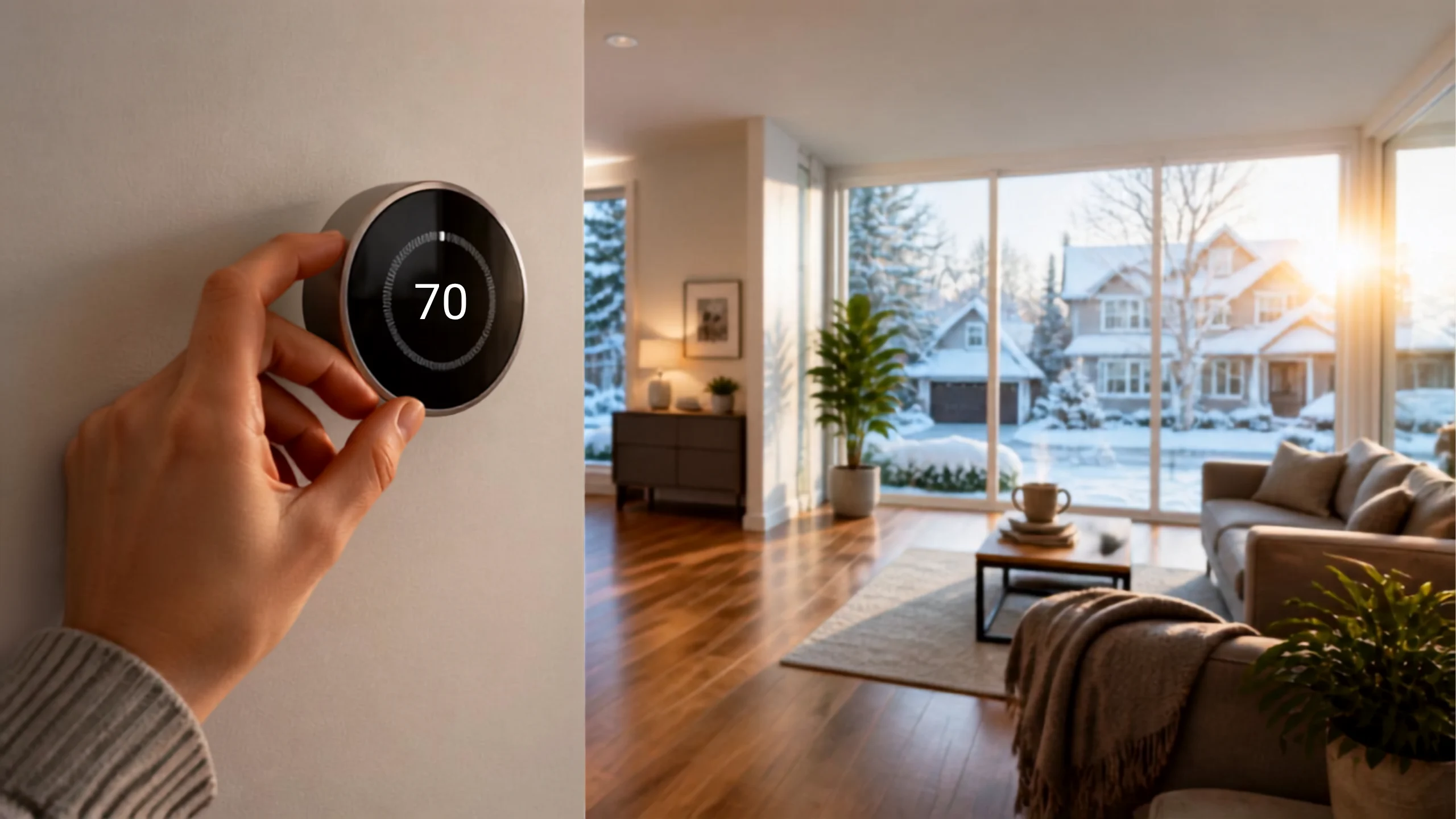
As energy costs continue to rise across New York, many homeowners are looking for practical ways to reduce electricity and heating expenses without sacrificing comfort. While improving insulation, upgrading appliances, and maintaining HVAC systems remain some of the most effective energy-saving strategies, smart thermostats have become one of the most popular home technology upgrades for improving day-to-day energy efficiency.
Unlike traditional thermostats that require manual adjustments, smart thermostats automatically adapt to your schedule, occupancy, and temperature preferences. Many models can be controlled remotely through a smartphone, learn your daily routine over time, and provide energy usage insights that help homeowners identify opportunities to reduce unnecessary heating and cooling. These features have made smart thermostats an attractive option for households looking to simplify energy management while potentially lowering utility bills.
However, one question continues to come up: Do smart thermostats actually save energy, or are they simply another smart home gadget?
The answer depends on several factors, including your home’s insulation, heating and cooling system, daily routines, and how effectively the thermostat is configured. For many New York households, where both cold winters and increasingly warm summers contribute to higher HVAC usage, a smart thermostat can play an important role in reducing energy waste. Yet it delivers the greatest value when combined with broader energy-efficient home improvements and informed energy choices.
This guide explains how smart thermostats work, where they provide the biggest benefits, situations where savings may be limited, and how New York homeowners can incorporate them into a long-term home energy strategy. Whether you’re considering your first smart thermostat or wondering if upgrading from a programmable thermostat is worthwhile, you’ll gain a practical understanding of what to expect before making the investment.
TL;DR
- Smart thermostats help reduce heating and cooling energy use by automatically adjusting temperatures based on your schedule, occupancy, and preferences.
- New York homeowners may benefit more than many other regions because HVAC systems often work harder during cold winters and hot, humid summers.
- Actual savings depend on factors such as your home’s insulation, HVAC efficiency, thermostat settings, and daily routines.
- Smart thermostats deliver the best results when paired with other energy-saving improvements, including proper insulation, HVAC maintenance, and energy-efficient appliances.
- Some New York homeowners may also qualify for rebates or incentives that help offset the cost of installing an eligible smart thermostat.
- Choosing an electricity plan that aligns with your household’s energy goals can further support long-term efficiency and sustainability.
What Is a Smart Thermostat?
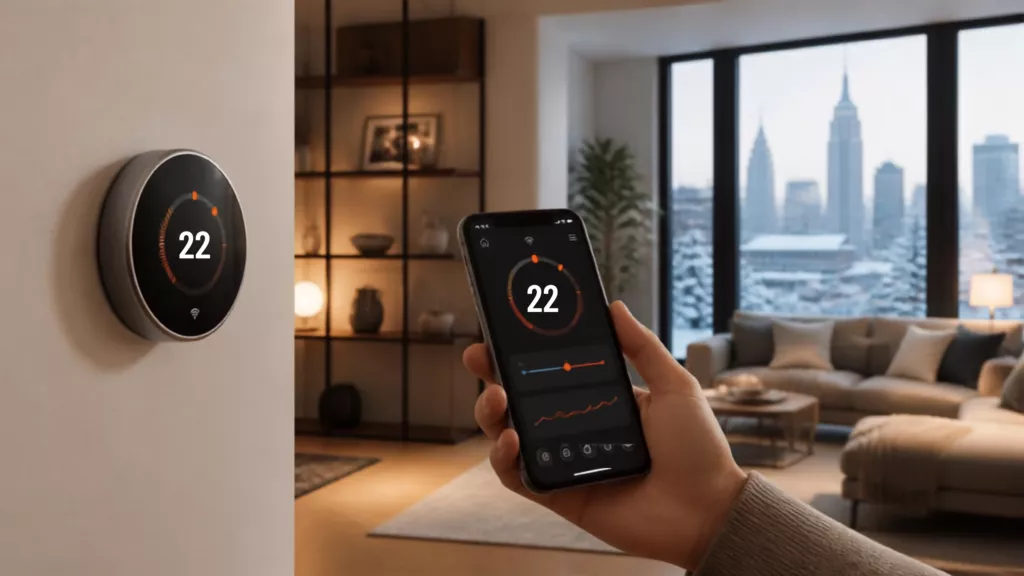
A smart thermostat is a Wi-Fi-enabled device that automatically manages your home’s heating and cooling system to improve comfort, convenience, and energy efficiency. Unlike traditional thermostats that require manual adjustments, smart thermostats can learn your daily routines, respond to occupancy, and allow you to control your home’s temperature remotely through a smartphone or other connected devices.
For many New York homeowners, heating and cooling account for one of the largest portions of annual household energy consumption. During winter, heating systems may operate for months at a time, while summer air conditioning can significantly increase electricity use during periods of high temperatures and humidity. A smart thermostat helps reduce unnecessary HVAC operation by ensuring your system runs only when it’s needed rather than maintaining the same temperature throughout the day. ENERGY STAR provides guidance on choosing certified energy-efficient products for your home.
While every model offers different features, the primary goal remains the same: helping homeowners use energy more efficiently without sacrificing comfort. Instead of relying on constant manual adjustments, a smart thermostat continuously optimizes your home’s temperature based on your lifestyle, preferences, and occupancy patterns.
How Smart Thermostats Work
Modern smart thermostats combine sensors, wireless connectivity, automation, and intelligent software to manage your home’s indoor climate more efficiently.
Most devices connect to your home’s Wi-Fi network, allowing you to monitor and adjust temperatures from anywhere using a mobile app. If you’re leaving work later than expected or returning home early, you can update your heating or cooling schedule remotely instead of conditioning an empty house for hours.
Many smart thermostats also include learning capabilities. After observing your daily routines for several days or weeks, they begin creating schedules automatically by recognizing patterns such as when you leave for work, return home, or sleep. This reduces unnecessary heating and cooling while maintaining comfort when you’re actually using your home.
Additional features often include:
- Automatic scheduling based on occupancy and daily routines
- Geofencing that adjusts temperatures when household members leave or return
- Indoor humidity monitoring
- Maintenance reminders for HVAC systems
- Monthly or weekly energy usage reports
- Integration with smart home platforms such as Google Home, Apple HomeKit, and Amazon Alexa
These features are designed to help homeowners make informed decisions about their energy use while reducing the amount of time heating and cooling systems operate unnecessarily.
Smart Thermostat vs. Traditional Thermostat
Although both devices control your home’s temperature, they differ significantly in how they manage energy use.
| Feature | Traditional Thermostat | Programmable Thermostat | Smart Thermostat |
|---|---|---|---|
| Manual temperature control | ✓ | ✓ | ✓ |
| Scheduled temperature changes | ✗ | ✓ | ✓ |
| Remote control via smartphone | ✗ | ✗ | ✓ |
| Learns household routines | ✗ | ✗ | ✓ |
| Geofencing and occupancy detection | ✗ | ✗ | ✓ |
| Energy usage reports | ✗ | ✗ | ✓ |
| Smart home integration | ✗ | Limited | ✓ |
| Automatic optimization | ✗ | Limited | ✓ |
A traditional thermostat simply maintains the temperature you select until it’s manually changed. A programmable thermostat allows scheduled temperature adjustments but requires homeowners to create and maintain those schedules themselves.
A smart thermostat builds on these capabilities by automatically adapting to changing routines, monitoring system performance, and providing insights into household energy consumption. This combination of automation and data is what gives smart thermostats the potential to reduce unnecessary heating and cooling more effectively than conventional alternatives.
For New York homeowners, where heating systems often operate for extended periods during winter and cooling demands can rise sharply in summer, these automated adjustments can help reduce wasted energy while maintaining a comfortable indoor environment throughout the year.
How Smart Thermostats Help New York Homeowners Save Energy
A smart thermostat doesn’t reduce energy use simply because it’s connected to the internet. The real value comes from how it helps homeowners operate their heating and cooling systems more efficiently throughout the day.
Heating and cooling account for one of the largest portions of residential energy consumption, especially in New York, where homes often experience cold winters, humid summers, and long heating seasons. Even small adjustments to how your HVAC system operates can lead to meaningful reductions in energy use over time. The U.S. Department of Energy recommends using programmable temperature settings to reduce heating and cooling costs.
Rather than running your heating or air conditioning at the same temperature all day, a smart thermostat continuously adjusts your home’s indoor climate based on occupancy, schedules, weather conditions, and your personal preferences. This helps eliminate unnecessary heating and cooling while maintaining comfort when you actually need it.
Smarter Heating During New York Winters
For many New York households, heating represents the largest seasonal energy expense. Whether your home uses natural gas, electricity, or another heating source, keeping the thermostat at the same temperature 24 hours a day often means you’re paying to heat an empty house.
A smart thermostat helps address this problem by automatically lowering temperatures when everyone is asleep, away at work, or on vacation, then bringing the home back to a comfortable temperature before occupants return. Instead of relying on manual adjustments which are easy to forget, the thermostat follows a consistent schedule or learns your routine over time.
For example, if your household leaves every weekday at 8:00 a.m. and returns around 6:00 p.m., the thermostat can automatically reduce heating during those unoccupied hours and gradually restore your preferred temperature before you arrive home. This improves comfort while reducing unnecessary energy consumption.
Many smart thermostats also adjust heating schedules based on outdoor weather conditions, helping maintain indoor comfort more efficiently during New York’s changing winter temperatures.
Better Cooling During Warm Summer Months
Although New York winters receive much of the attention, summer electricity bills can also increase significantly due to air conditioning use.
A smart thermostat helps reduce cooling costs by avoiding one of the most common causes of wasted electricity: cooling an empty home. Heating and cooling account for a significant portion of household energy use according to federal energy research.
Instead of leaving the air conditioner running throughout the day, homeowners can create customized schedules or allow occupancy detection and geofencing features to adjust temperatures automatically. When everyone leaves the house, the thermostat temporarily increases the cooling setpoint to reduce unnecessary system operation. As household members return, it gradually restores a comfortable indoor temperature before they arrive.
This approach allows homeowners to maintain comfort without running their air conditioning longer than necessary, particularly during periods of high electricity demand.
Remote Control, Geofencing, and Energy Insights
One of the biggest advantages of a smart thermostat is the visibility it provides into your home’s energy use.
Through a mobile app, homeowners can check current temperatures, modify schedules, and make adjustments from virtually anywhere. Whether you’re staying late at work, returning early from vacation, or simply forgot to adjust the thermostat before leaving home, remote access provides greater flexibility than traditional thermostats.
Many smart thermostats also include geofencing, a feature that uses your smartphone’s location to determine when household members leave or return. Instead of relying solely on fixed schedules, the thermostat responds to real-life occupancy patterns, reducing heating and cooling when the home is empty and restoring comfort automatically as you approach.
In addition, built-in energy reports help homeowners understand how their heating and cooling habits affect overall consumption. Rather than simply displaying temperatures, these reports often highlight runtime patterns, identify unusually high HVAC usage, and provide recommendations for improving efficiency.
Over time, these insights allow homeowners to make informed decisions that support both lower energy bills and reduced household energy waste.
While no smart thermostat can eliminate heating or cooling costs entirely, its ability to automate routine adjustments, reduce unnecessary HVAC operation, and provide ongoing visibility into energy use makes it one of the most practical upgrades for homeowners looking to improve everyday energy efficiency.
When Is a Smart Thermostat Worth the Investment?
A smart thermostat can be an excellent investment, but it isn’t the right solution for every home. While manufacturers often highlight potential energy savings, the actual value depends on how your household uses heating and cooling, the condition of your HVAC system, and your home’s overall energy efficiency.
For New York homeowners, where heating systems often run for several months each year and air conditioning use increases during hot, humid summers, a smart thermostat can help reduce unnecessary HVAC operation. However, the biggest savings typically come when the technology is matched with the right home and homeowner habits.
Rather than asking, “Will a smart thermostat save money?” a better question is:
“Will a smart thermostat improve the way my home uses energy?”
For many households, the answer is yes but the circumstances matter.
Homes That Benefit the Most
While almost any household can enjoy the convenience of remote temperature control, some homeowners are more likely to see meaningful energy savings than others.
1. Larger Homes with Higher Heating and Cooling Demands
The larger the home, the more energy is typically required to maintain comfortable indoor temperatures. Heating or cooling unused rooms for long periods can quickly increase utility costs.
A smart thermostat helps reduce unnecessary HVAC runtime by adjusting temperatures automatically based on schedules or occupancy. Over an entire heating or cooling season, these small daily adjustments can add up to noticeable reductions in energy consumption.
2. Families with Changing Daily Schedules
Many households don’t follow the same routine every day. Children may leave for school at different times, parents may work hybrid schedules, and weekend routines often differ from weekdays.
Traditional thermostats require manual adjustments, while programmable thermostats depend on fixed schedules that may no longer reflect how a family actually lives.
Smart thermostats provide greater flexibility by adapting to changing occupancy patterns, helping ensure energy isn’t wasted heating or cooling an empty home.
3. Hybrid and Remote Workers
One common misconception is that smart thermostats only benefit people who leave the house during the day.
In reality, they can also improve efficiency for remote workers.
Instead of maintaining one constant temperature throughout the entire home, many smart thermostats allow homeowners to fine-tune schedules based on working hours, evenings, and weekends. Some systems also support remote room sensors that prioritize occupied spaces, helping improve comfort while reducing unnecessary heating or cooling elsewhere.
4. Vacation Homes and Frequently Empty Properties
For homeowners who travel regularly or own seasonal properties, remote access is often one of the most valuable smart thermostat features.
Rather than leaving heating or air conditioning running continuously or returning to an uncomfortable home, owners can monitor and adjust temperatures from anywhere using a smartphone. This helps protect the property during extreme weather while avoiding unnecessary energy use when the home is unoccupied.
Situations Where Savings May Be Limited
Although smart thermostats offer significant advantages for many households, they are not a guaranteed solution for lowering every energy bill.
Understanding where their limitations exist helps homeowners make better investment decisions and avoid unrealistic expectations.
1. Homes with Poor Insulation
If warm or cool air escapes through poorly insulated walls, attics, windows, or air leaks, a smart thermostat cannot solve the underlying efficiency problem.
The heating or cooling system will continue working harder to maintain indoor temperatures regardless of how advanced the thermostat is.
In many cases, improving insulation and sealing air leaks delivers greater energy savings than installing a smart thermostat alone.
2. Older or Inefficient HVAC Systems
An aging furnace, boiler, heat pump, or air conditioner that struggles to operate efficiently will continue consuming more energy than a modern, properly maintained system.
A smart thermostat can optimize when the equipment runs, but it cannot improve the mechanical efficiency of outdated HVAC equipment.
Regular maintenance, filter replacement, and timely equipment upgrades often provide a stronger foundation for long-term energy savings.
3. Small Apartments with Minimal HVAC Usage
In smaller apartments or condominiums where heating and cooling loads are already relatively low, the financial savings from a smart thermostat may be more modest.
Homeowners should evaluate whether the added convenience, remote access, and automation justify the investment based on their individual living situation.
Households Already Following Efficient Temperature Habits
Some homeowners already practice excellent energy management by adjusting temperatures consistently throughout the day, reducing heating while away, and avoiding unnecessary cooling.
In these situations, a smart thermostat may provide additional convenience rather than dramatic reductions in energy consumption.
The greatest value often comes from automation, improved comfort, and easier day-to-day energy management rather than significant reductions in monthly utility bills.
Ultimately, a smart thermostat should be viewed as a tool that supports smarter energy management not as a standalone solution. For New York homeowners, the best results are typically achieved when smart thermostat technology is combined with an efficient HVAC system, proper insulation, regular maintenance, and thoughtful energy-saving habits.
Smart Thermostats Work Best as Part of a Whole-Home Energy Strategy
A smart thermostat is one of the most effective technology upgrades for improving day-to-day energy management, but it isn’t a standalone solution for lowering household energy use. While it can help reduce unnecessary heating and cooling, its overall impact depends on the efficiency of the home itself. New York homeowners can explore statewide energy efficiency programs and resources through NYSERDA.
Many homeowners expect a smart thermostat to immediately lower their energy bills. In reality, the greatest long-term savings usually come from combining smart technology with other home energy improvements. When your heating and cooling system operates efficiently, your home retains conditioned air effectively, and your energy habits support conservation, a smart thermostat becomes significantly more valuable.
Rather than viewing it as a single purchase that solves every efficiency challenge, homeowners should think of it as one component of a broader strategy for creating a more comfortable, energy-efficient home.
Improve Your Home Before Expecting Maximum Savings
Heating and cooling systems can only operate as efficiently as the home allows.
If warm air escapes through poorly insulated attics during winter or cool air leaks through drafty windows during summer, the HVAC system must continue running to maintain the desired temperature. Although a smart thermostat may reduce unnecessary operating hours, it cannot compensate for significant energy losses caused by poor insulation or air leakage.
Before investing in additional smart home technology, homeowners should evaluate whether their property could benefit from improvements such as:
- Adding or upgrading attic insulation
- Sealing air leaks around windows, doors, and ductwork
- Replacing worn weatherstripping
- Scheduling regular HVAC maintenance
- Changing air filters according to manufacturer recommendations
- Upgrading aging heating or cooling equipment when appropriate
These improvements often reduce energy demand across the entire home, allowing a smart thermostat to manage a more efficient heating and cooling system. Home energy assessments can identify opportunities to improve overall efficiency.
Routine maintenance is equally important. Dirty filters, blocked vents, or neglected HVAC equipment force systems to work harder than necessary, reducing both comfort and efficiency regardless of which thermostat is installed.
Combine Smart Technology with Smarter Energy Choices
Technology can help homeowners use less energy, but the source of that energy also plays an important role in reducing a home’s overall environmental impact.
For New York homeowners, improving energy efficiency often involves looking beyond individual products and considering how the entire household consumes electricity throughout the year. Smart thermostats, ENERGY STAR® appliances, efficient HVAC systems, insulation upgrades, and responsible energy habits all contribute to lowering household energy demand.
Another consideration is the electricity plan powering your home. Choosing an energy supplier that offers renewable electricity options can complement the efficiency gains achieved through smart home technology by supporting cleaner energy generation alongside reduced consumption.
At City Power and Gas, we encourage homeowners to take a comprehensive approach to energy management rather than relying on any single upgrade. Smart thermostats are an excellent tool for improving comfort and reducing unnecessary HVAC operation, but they deliver the greatest long-term value when combined with efficient homes, informed energy decisions, and electricity plans that align with your household’s comfort, budget, and sustainability goals.
By viewing energy efficiency as an ongoing process rather than a one-time purchase, homeowners can make smarter investments that continue delivering benefits for years to come.
Choosing the Right Smart Thermostat for Your Home
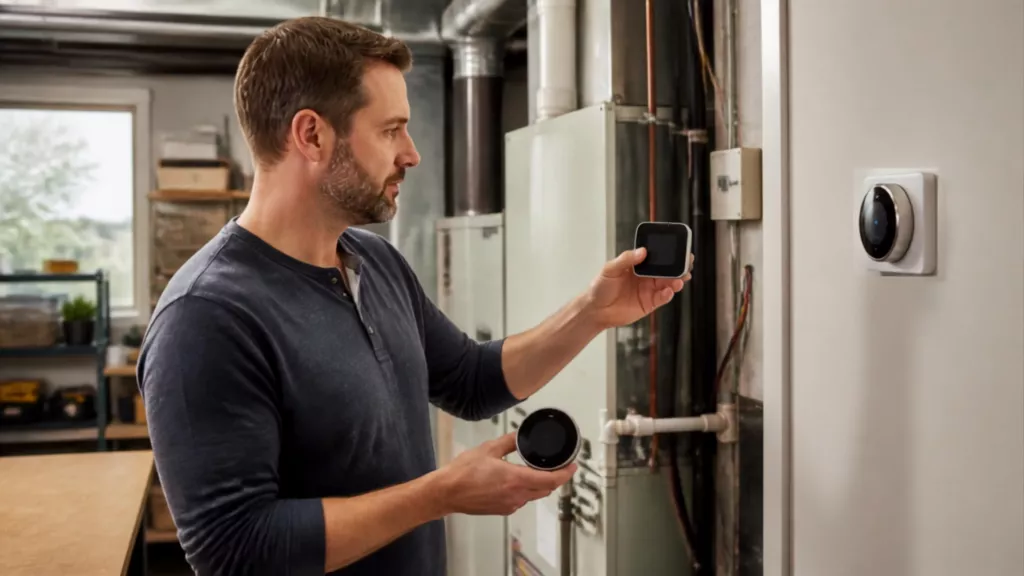
Not every smart thermostat is designed for every home. While many models offer similar core features, choosing the right one depends on your existing heating and cooling system, household routines, budget, and the level of automation you’re looking for.
Rather than focusing on brand names or the newest features, homeowners should first determine whether a smart thermostat is compatible with their HVAC system and supports the functions that will genuinely improve everyday comfort and energy efficiency.
A thermostat with advanced capabilities may offer little additional value if those features aren’t compatible with your equipment or don’t match how your household uses heating and cooling.
Check HVAC Compatibility Before Buying
Compatibility is one of the most important factors to evaluate before purchasing a smart thermostat.
Most modern smart thermostats are designed to work with central heating and cooling systems, but not every HVAC setup is the same. Homes may use:
- Central air conditioning
- Forced-air furnaces
- Heat pumps
- Boilers
- Multi-zone HVAC systems
- Electric baseboard heating
Some systems require a C-wire (common wire) to provide continuous power to the thermostat, while others may require an adapter or professional installation.
Before purchasing a thermostat, homeowners should:
- Identify their existing heating and cooling system.
- Review the manufacturer’s compatibility checker.
- Confirm wiring requirements.
- Determine whether professional installation is recommended.
Taking these steps before purchasing can help avoid compatibility issues and ensure the thermostat performs as intended.
Focus on Features That Improve Everyday Energy Management
Many smart thermostats advertise dozens of features, but only a handful have a meaningful impact on household energy efficiency.
When comparing models, homeowners should prioritize features that help reduce unnecessary heating and cooling while making temperature management easier throughout the year.
Key features worth considering include:
Automatic Scheduling
Allows the thermostat to follow daily routines without requiring manual adjustments, reducing energy use when the home is unoccupied.
Remote Access
A mobile app lets homeowners adjust temperatures from virtually anywhere, making it easier to respond to changing schedules or unexpected travel plans.
Geofencing
Uses the location of household smartphones to detect when everyone has left or returned home, automatically adjusting temperatures to reduce wasted energy.
Energy Usage Reports
Many smart thermostats generate weekly or monthly reports showing HVAC runtime and energy trends. These insights can help homeowners identify opportunities to improve efficiency and better understand how heating and cooling habits affect overall energy use.
Smart Home Integration
For households already using connected home devices, compatibility with platforms such as Google Home, Apple HomeKit, or Amazon Alexa can simplify temperature control through voice commands and automated routines.
While these features provide convenience, homeowners should remember that the biggest contributor to long-term energy savings is not necessarily the thermostat with the most advanced technology, it’s the one that is properly configured and consistently used.
A well-installed smart thermostat, combined with realistic schedules, regular HVAC maintenance, and an energy-efficient home, will typically deliver greater value than purchasing the most expensive model with features that are rarely used.
Before making a purchase, consider how your household actually lives rather than choosing a thermostat based solely on specifications. Selecting a device that fits your home’s heating and cooling needs is more likely to improve comfort, support lower energy consumption, and provide lasting value over time.
Common Mistakes That Reduce Smart Thermostat Savings
Installing a smart thermostat is only the first step toward improving home energy efficiency. Like any technology, its effectiveness depends on how it’s used. Many homeowners expect immediate reductions in their energy bills, only to discover that poor setup or unrealistic expectations limit the potential benefits.
Understanding these common mistakes can help New York homeowners get the most value from their smart thermostat while improving long-term heating and cooling efficiency.
Relying on Default Settings
Most smart thermostats include factory settings designed to work for a wide range of homes. While these defaults provide a good starting point, they rarely reflect your household’s daily routine.
Taking time to review schedules, preferred temperatures, and comfort settings allows the thermostat to better match your lifestyle. Small adjustments based on when your household is home, asleep, or away can make a noticeable difference in energy use over an entire heating or cooling season.
Ignoring HVAC Maintenance
A smart thermostat cannot compensate for an inefficient heating or cooling system.
Dirty air filters, blocked vents, leaking ductwork, or poorly maintained HVAC equipment force the system to work harder to reach the desired temperature. Even the most advanced thermostat cannot improve the mechanical efficiency of neglected equipment.
Regular maintenance including changing air filters, scheduling seasonal HVAC inspections, and keeping outdoor equipment clean helps ensure the thermostat can manage an efficient system rather than an overworked one.
Expecting the Thermostat to Fix an Inefficient Home
One of the biggest misconceptions is that installing a smart thermostat alone will dramatically reduce household energy bills.
If a home has insufficient insulation, significant air leaks, outdated windows, or aging heating equipment, conditioned air will continue escaping regardless of how intelligently the thermostat operates.
Before expecting substantial energy savings, homeowners should also evaluate the overall efficiency of their home. Improvements such as sealing air leaks, upgrading insulation, or replacing inefficient HVAC equipment often increase the effectiveness of a smart thermostat and deliver greater long-term results.
Making Frequent Manual Adjustments
Smart thermostats are designed to automate temperature management.
Constantly overriding schedules or changing temperatures throughout the day can interfere with learning algorithms and reduce the efficiency gains the thermostat is designed to provide.
After the initial setup period, homeowners should allow the thermostat enough time to learn household routines before making frequent manual changes. Occasional adjustments are perfectly normal, but consistent overrides may limit its ability to optimize heating and cooling schedules.
Focusing Only on the Thermostat Instead of Overall Energy Habits
A smart thermostat is an important energy-saving tool, but it works best when supported by good household habits.
Simple practices such as closing curtains during hot summer afternoons, using ceiling fans to improve air circulation, replacing HVAC filters regularly, and avoiding unnecessary heating or cooling all contribute to lower energy consumption.
The most successful homeowners combine smart technology with practical energy-saving habits, creating a home that is not only more comfortable but also more efficient throughout the year.
Ultimately, a smart thermostat should be viewed as one part of a broader energy management strategy. When combined with an efficient home, properly maintained HVAC equipment, and informed daily habits, it can help New York homeowners reduce unnecessary energy use while maintaining consistent indoor comfort.
Conclusion
Smart thermostats have become one of the most popular home energy upgrades because they make managing heating and cooling simpler, more convenient, and more efficient. By automating temperature adjustments, learning household routines, and providing greater visibility into energy use, they help homeowners reduce unnecessary HVAC operation while maintaining consistent indoor comfort.
However, a smart thermostat should not be viewed as a standalone solution for lowering energy bills. The greatest long-term benefits come from taking a whole-home approach to energy efficiency. Proper insulation, well-maintained heating and cooling equipment, energy-conscious habits, and informed electricity choices all work together to reduce household energy consumption more effectively than any single device alone. Federal programs continue supporting residential energy-efficiency improvements through tax credits and incentives.
For New York homeowners, improving energy efficiency isn’t just about adopting the latest smart technology, it’s about understanding how every part of the home contributes to overall energy performance. A smart thermostat can be an excellent starting point, but its value increases significantly when it’s integrated into a broader strategy focused on comfort, efficiency, and long-term savings.
At City Power and Gas, we encourage homeowners to make informed energy decisions based on their home’s unique needs rather than relying on one solution alone. Whether you’re exploring smart home technology, improving your home’s efficiency, or comparing electricity plans that support your long-term energy goals, taking a comprehensive approach can help you create a more comfortable, cost-effective, and energy-efficient home for years to come.
FAQs
Do smart thermostats really save money?
Yes, smart thermostats can help homeowners save money by reducing unnecessary heating and cooling. They automatically adjust temperatures based on your schedule, occupancy, and preferences, helping your HVAC system operate more efficiently. However, actual savings depend on factors such as your home’s insulation, HVAC system efficiency, local climate, and how consistently the thermostat’s energy-saving features are used.
How much energy can a smart thermostat save?
Energy savings vary from one household to another, but many homeowners notice reduced heating and cooling costs after installing and properly configuring a smart thermostat. Larger homes, households with changing schedules, and homes that experience long heating or cooling seasons often have greater opportunities to reduce energy use. The thermostat delivers the best results when combined with good insulation, regular HVAC maintenance, and other energy-efficient home improvements.
Are smart thermostats worth it for New York homeowners?
For many New York homeowners, yes. Because heating systems operate for extended periods during winter and air conditioning is commonly used during hot, humid summers, smart thermostats can help reduce unnecessary HVAC runtime throughout the year. They also provide greater convenience through remote access, automated scheduling, and energy usage reports, making them a worthwhile investment for many households.
Can renters install a smart thermostat?
It depends on the property and your landlord’s approval. Some smart thermostats can replace existing thermostats relatively easily, while others may require wiring modifications or professional installation. Renters should always confirm installation requirements and obtain permission before replacing an existing thermostat.
Do smart thermostats work with every HVAC system?
Not all smart thermostats are compatible with every heating and cooling system. Compatibility depends on your home’s HVAC equipment, thermostat wiring, and electrical requirements. Before purchasing a smart thermostat, review the manufacturer’s compatibility guide or consult an HVAC professional to ensure it will work with your existing system.
Will a smart thermostat lower my electricity bill immediately?
A smart thermostat may help reduce your electricity bill over time, but savings are rarely immediate or identical for every household. Homes with inefficient insulation, aging HVAC systems, or inconsistent energy habits may need additional improvements before realizing significant reductions in energy costs. The thermostat is most effective as part of a comprehensive home energy efficiency strategy.
Are there rebates available for smart thermostats in New York?
Some New York utility companies and energy-efficiency programs periodically offer rebates or incentives for eligible smart thermostat purchases. Availability depends on your location, utility provider, and the thermostat model you choose. Homeowners should check current utility rebate programs, NYSERDA resources, and applicable federal tax incentives before purchasing.
Is a smart thermostat better than a programmable thermostat?
Both options can improve energy efficiency compared to a traditional thermostat, but a smart thermostat offers greater flexibility and automation. In addition to programmable schedules, smart thermostats can provide remote access, occupancy detection, geofencing, adaptive learning, and energy usage reports. These features help homeowners manage heating and cooling more effectively while reducing unnecessary energy consumption throughout the year.