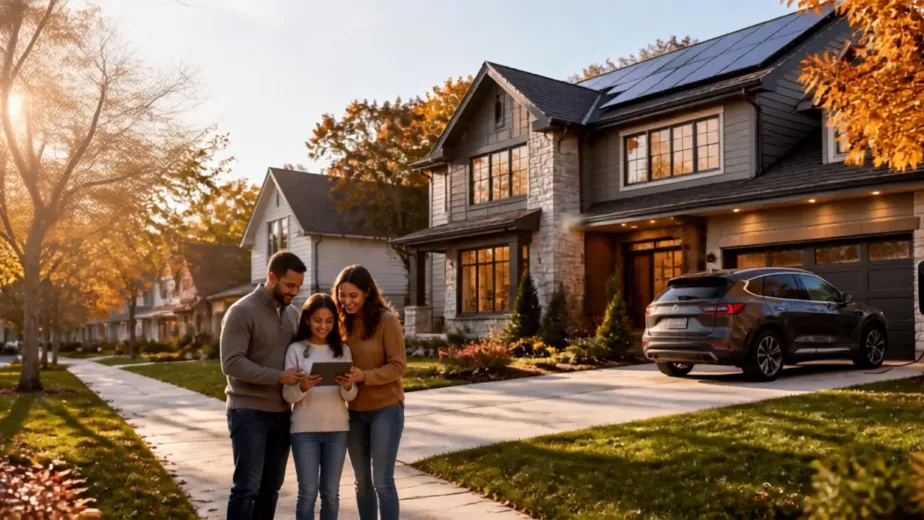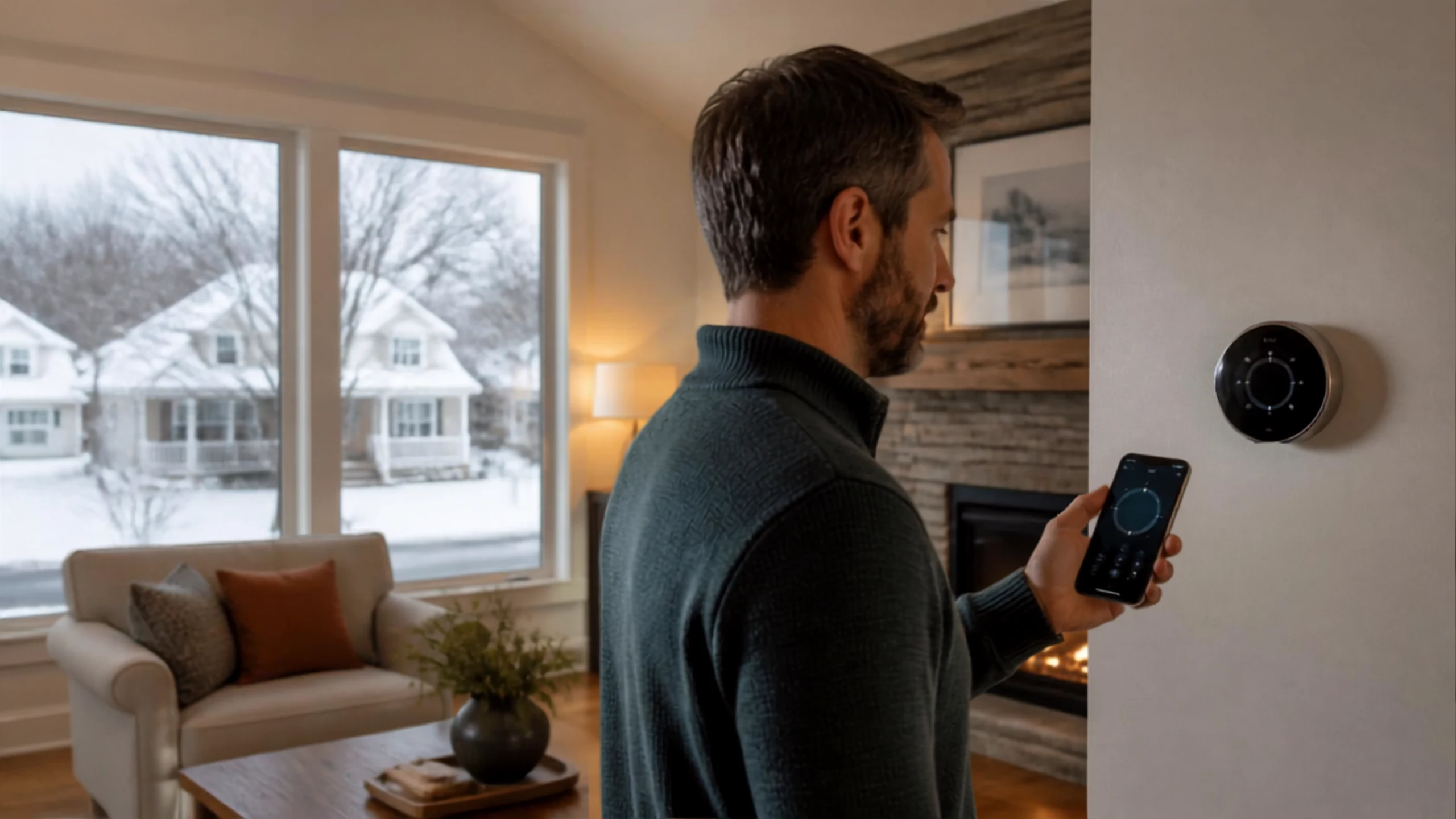
Pennsylvania homeowners rely on their heating and cooling systems through cold winters, humid summers, and everything in between. Because HVAC systems account for a significant share of household energy use, even small improvements in how they’re managed can make a noticeable difference in comfort and utility bills.
Smart thermostats have become a popular home upgrade because they automatically adjust temperatures based on your schedule, occupancy, and preferences. But while these devices can help reduce unnecessary energy use, their effectiveness depends on factors such as your home’s insulation, HVAC system, and daily routines.
In this guide, you’ll learn how smart thermostats fit into Pennsylvania homes, when they’re worth the investment, how to maximize their energy-saving potential, and how they can support a broader home efficiency strategy. Whether you’re upgrading an older home or looking for smarter ways to manage energy, this guide will help you make informed decisions for long-term comfort and savings.
TL;DR
- Smart thermostats help Pennsylvania homeowners reduce unnecessary heating and cooling by automatically adjusting temperatures based on schedules, occupancy, and daily routines.
- The biggest savings come from homes with central HVAC systems, consistent heating and cooling needs, and properly maintained equipment.
- A smart thermostat delivers the best results when combined with good insulation, regular HVAC maintenance, and other energy-efficient home improvements.
- Pennsylvania homeowners may also be able to take advantage of utility rebates and federal incentives that help offset the cost of eligible smart thermostat upgrades.
- Monitoring your thermostat’s energy reports and adjusting settings seasonally can improve comfort while reducing wasted energy.
- For long-term energy efficiency, pair smart home technology with an electricity plan that aligns with your household’s energy goals.
Why Pennsylvania Homes Benefit Differently from Smart Thermostats
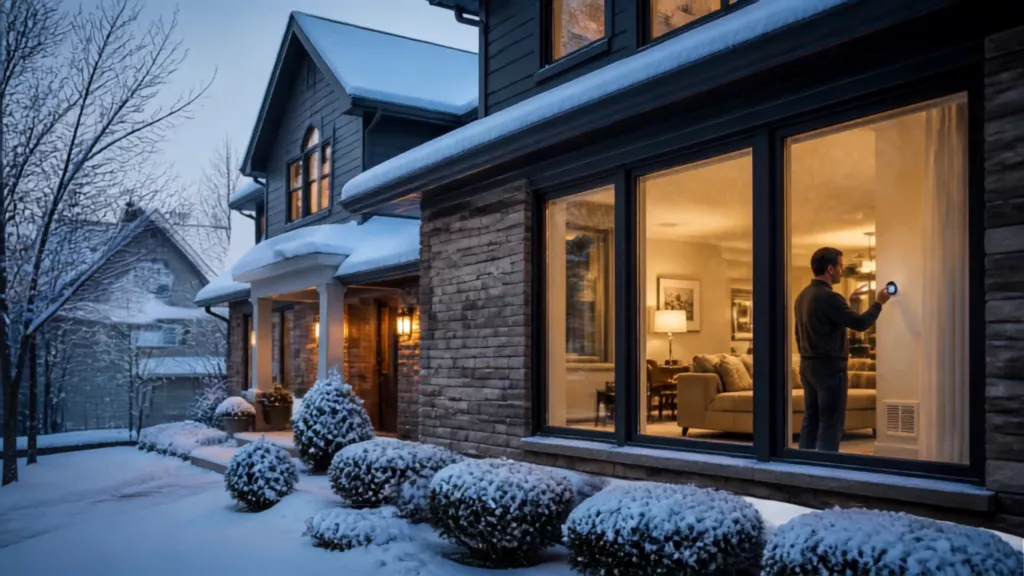
Not every home uses energy the same way, which means the value of a smart thermostat can vary depending on where you live. In Pennsylvania, factors such as seasonal weather, older housing stock, and longer heating periods create unique opportunities to improve energy efficiency. Understanding these local conditions helps homeowners make better decisions about whether a smart thermostat is the right investment and how to maximize its benefits.
Pennsylvania’s Climate Creates Year-Round HVAC Demand
Pennsylvania experiences four distinct seasons, with freezing winters and warm, humid summers that require homeowners to rely on both heating and cooling systems throughout the year. Furnaces often run for several months during winter, while air conditioners help maintain indoor comfort during the summer. Because HVAC systems operate across multiple seasons, even small improvements in temperature management can help reduce unnecessary energy use while maintaining a comfortable home.
Older Housing Stock Creates Unique Efficiency Opportunities
Many homes across Pennsylvania were built decades before today’s energy-efficiency standards became common. Older insulation, drafty windows, air leaks, and aging HVAC systems can all increase the amount of energy needed to heat and cool a home. While a smart thermostat cannot fix these underlying issues, it can help homeowners manage their heating and cooling schedules more efficiently, reducing wasted energy when the home is unoccupied or when temperatures don’t need to be maintained at the same level.
Heating Often Has a Greater Impact Than Cooling
Although air conditioning contributes to summer electricity bills, heating typically represents a larger share of annual household energy use for many Pennsylvania homeowners. Long winters mean furnaces and heat pumps operate for extended periods, making efficient temperature control especially important. Smart thermostats help reduce unnecessary heating by automatically lowering temperatures when you’re asleep, away at work, or on vacation, without sacrificing comfort when you’re home.
Smarter Temperature Management Supports Long-Term Savings
A smart thermostat isn’t simply about changing temperatures remotely, it’s about helping your HVAC system operate more efficiently based on your household’s routine. Features such as scheduling, occupancy detection, and energy usage insights can reduce unnecessary runtime while maintaining consistent indoor comfort. When combined with regular HVAC maintenance, proper insulation, and other energy-efficient home improvements, a smart thermostat becomes part of a broader strategy to lower energy consumption and improve long-term household efficiency.
Is Your Home a Good Candidate for a Smart Thermostat?
A smart thermostat isn’t a one-size-fits-all solution. While many Pennsylvania homeowners can benefit from better temperature control and automation, the level of energy savings depends on how your home is heated and cooled, your daily routine, and your home’s overall efficiency. Before investing in a smart thermostat, it’s worth considering whether your household is likely to get the most value from its features.
Homes with Central Heating and Cooling Systems
Smart thermostats are generally most effective in homes with central heating and cooling systems that operate throughout the year. If your home relies on a central furnace, boiler with compatible controls, heat pump, or central air conditioning, a smart thermostat can automatically adjust temperatures based on your schedule and help reduce unnecessary HVAC runtime. Before investing in new technology, it’s worth understanding which improvements deliver the biggest impact on your home’s energy use. Our guide on reducing your electricity bill explains several practical upgrades that can help lower household energy consumption.
The more frequently your HVAC system operates, the greater the opportunity to improve efficiency through better temperature management.
Households with Predictable Daily Schedules
If your household follows a regular routine such as leaving for work or school during the day and returning in the evening a smart thermostat can automatically adjust temperatures when the home is unoccupied and restore comfortable settings before you return.
This eliminates the need to remember to change the thermostat manually and helps reduce energy use without affecting everyday comfort.
Busy Families and Frequent Travelers
Families with changing schedules often leave heating or cooling systems running longer than necessary. Likewise, homeowners who travel regularly may accidentally heat or cool an empty home for days at a time.
Smart thermostats allow remote control through a mobile app, making it easy to adjust temperatures whether you’re at work, running errands, or away on vacation. This added flexibility can help prevent unnecessary energy consumption while keeping your home comfortable when you return.
Older Pennsylvania Homes with Efficiency Upgrades
Many older homes throughout Pennsylvania have already been improved with better insulation, air sealing, or newer HVAC equipment. In these cases, a smart thermostat can complement those upgrades by ensuring the heating and cooling system operates as efficiently as possible.
However, if a home still has significant air leaks, poor insulation, or an aging HVAC system, addressing those issues first may deliver greater energy savings than installing a smart thermostat alone.
When a Smart Thermostat May Not Deliver Significant Savings
While smart thermostats offer convenience and better temperature control, they aren’t guaranteed to reduce every homeowner’s energy bills. Homes that already maintain consistent indoor temperatures throughout the day, properties with limited HVAC usage, or households without compatible heating and cooling systems may see smaller efficiency gains.
Before purchasing a smart thermostat, it’s helpful to evaluate your home’s energy habits, HVAC compatibility, and overall efficiency. Viewing a smart thermostat as one part of a broader energy-saving strategy not a standalone solution will help you set realistic expectations and make a more informed investment.
Where Smart Thermostats Make the Biggest Difference
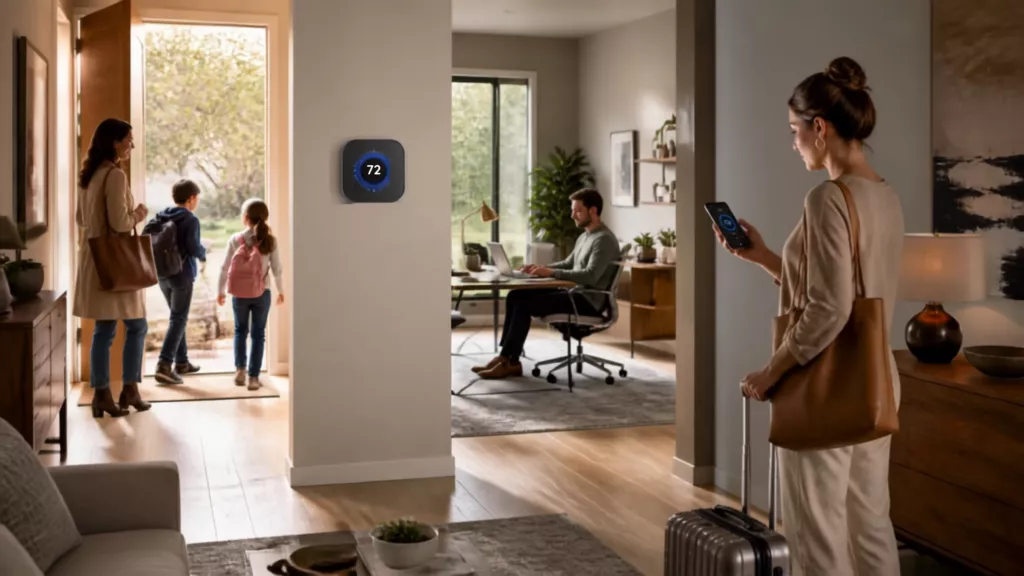
The real value of a smart thermostat isn’t measured by the number of features it offers, it’s measured by how well those features fit your lifestyle. Pennsylvania households have different schedules, comfort preferences, and heating needs, which means the benefits of a smart thermostat can vary from one home to another. Here are some of the situations where homeowners are most likely to notice meaningful improvements in both convenience and energy efficiency. ENERGY STAR certified smart thermostats can automatically adjust temperatures and improve heating and cooling efficiency.
Busy Working Households
For households where everyone leaves home during the day, heating or cooling an empty house often leads to unnecessary energy use. A smart thermostat can automatically lower or raise the temperature while no one is home and return the house to a comfortable setting before everyone arrives.
This simple adjustment helps reduce HVAC runtime without requiring homeowners to remember to change the thermostat each day.
Families with School and Activity Schedules
Families often have changing routines throughout the week, from school hours and extracurricular activities to weekend events. A smart thermostat makes it easier to create customized schedules that match these routines instead of maintaining the same temperature all day.
Some models can even adapt over time, helping maintain comfort while avoiding unnecessary heating or cooling during periods when the house is empty.
Remote and Hybrid Workers
As more people work from home, heating or cooling the entire house throughout the day can increase energy consumption. Smart thermostats allow homeowners to adjust temperatures based on occupied spaces and daily work patterns, helping maintain comfort without running the HVAC system more than necessary.
Combined with ceiling fans or properly zoned HVAC systems, this approach can improve efficiency while supporting a comfortable home office environment.
Frequent Travelers and Seasonal Homeowners
Whether you’re away for a long weekend, traveling for work, or spending time at a second property, a smart thermostat gives you greater control over your home’s heating and cooling from anywhere with an internet connection.
Instead of leaving the HVAC system running at normal settings, you can switch to an energy-saving mode while you’re away and restore comfortable temperatures before returning home. This helps prevent wasted energy without sacrificing convenience.
Homes Focused on Long-Term Energy Efficiency
For homeowners already investing in better insulation, efficient HVAC equipment, or other energy-saving improvements, a smart thermostat serves as another tool to optimize overall home performance. It helps ensure that heating and cooling systems operate only when needed, supporting a more efficient home without requiring constant manual adjustments.
While a smart thermostat isn’t a replacement for other energy-efficiency upgrades, it works best as part of a broader strategy to improve comfort, reduce energy waste, and make smarter use of your home’s heating and cooling system.
Hidden Reasons Smart Thermostats Help Reduce Energy Use
Many people assume a smart thermostat saves energy simply because it’s connected to Wi-Fi or can be controlled from a smartphone. In reality, the savings come from how it manages your heating and cooling system. By reducing unnecessary HVAC operation, maintaining more consistent indoor temperatures, and helping homeowners make informed decisions, smart thermostats support better energy management over time.
Preventing Unnecessary Heating and Cooling
One of the most common causes of wasted energy is running your heating or cooling system when it isn’t needed. Whether you’re away at work, asleep, or on vacation, maintaining the same indoor temperature throughout the day can lead to unnecessary energy consumption.
Smart thermostats automatically adjust temperature settings based on schedules, occupancy, or geofencing, ensuring your HVAC system operates only when it provides real value. Rather than relying on manual adjustments, homeowners can maintain comfort while avoiding unnecessary heating and cooling.
Reducing HVAC Runtime Without Sacrificing Comfort
Heating and cooling systems consume the most energy when they run for extended periods. A smart thermostat helps reduce total runtime by making gradual, well-timed temperature adjustments instead of keeping the system operating continuously.
For example, lowering the heating temperature slightly while everyone is away during the day or allowing indoor temperatures to rise modestly during summer afternoons when the house is empty can reduce energy use without creating noticeable discomfort once occupants return.
Maintaining More Consistent Indoor Temperatures
Frequently changing thermostat settings or making large temperature adjustments can force HVAC systems to work harder than necessary. Smart thermostats are designed to maintain steady, comfortable indoor conditions by making smaller, automatic adjustments throughout the day.
This more consistent approach not only improves comfort but can also reduce unnecessary wear on heating and cooling equipment by avoiding repeated cycles of extreme heating or cooling.
Turning Energy Data Into Better Decisions
Many smart thermostats provide energy reports that show how often your HVAC system runs, when energy use increases, and how schedule changes affect overall performance. While these reports don’t directly reduce energy consumption, they give homeowners valuable insights that can lead to smarter decisions over time.
For example, noticing that your heating system runs longer than expected during winter may highlight opportunities to improve insulation, seal air leaks, or schedule HVAC maintenance. Instead of simply monitoring temperatures, smart thermostats encourage a more informed approach to managing home energy use.
The Biggest Energy Waste Happens Outside the Thermostat
A smart thermostat can help your heating and cooling system operate more efficiently, but it can’t solve every energy problem on its own. If your home loses heated or cooled air through poor insulation, air leaks, or an aging HVAC system, your equipment will continue working harder than necessary even with the most advanced thermostat settings.
For Pennsylvania homeowners, the greatest long-term energy savings often come from combining smart technology with improvements that reduce the home’s overall energy demand.
Air Leaks Make Your HVAC System Work Harder
Small gaps around windows, doors, attic spaces, and utility penetrations allow conditioned air to escape while outdoor air enters your home. During Pennsylvania’s cold winters and warm summers, these leaks force your heating and cooling system to run longer to maintain a comfortable indoor temperature.
Sealing air leaks is often one of the most cost-effective ways to improve home energy efficiency. When less conditioned air escapes, a smart thermostat can maintain your preferred temperature with fewer heating and cooling cycles.
Insulation Plays a Bigger Role Than Many Homeowners Realize
Insulation slows the transfer of heat between your home and the outdoors. Homes with insufficient attic, wall, or basement insulation lose heat more quickly during winter and absorb more outdoor heat during summer.
While a smart thermostat manages when your HVAC system operates, proper insulation helps your home retain comfortable temperatures for longer. Together, they reduce unnecessary energy use while improving year-round comfort.
HVAC Maintenance Directly Affects Efficiency
Even the smartest thermostat can’t compensate for an HVAC system that isn’t operating efficiently. Dirty air filters, clogged coils, worn components, or neglected maintenance can all reduce system performance and increase energy consumption.
Regular maintenance including replacing air filters, scheduling seasonal inspections, and addressing minor issues early helps your heating and cooling equipment respond more effectively to your thermostat’s settings while supporting reliable long-term performance.
Ductwork Can Waste Conditioned Air
In many Pennsylvania homes, conditioned air travels through ductwork before reaching individual rooms. If ducts have leaks, poor connections, or inadequate insulation, a portion of that heated or cooled air may never reach the living space.
Sealing and insulating ductwork can improve airflow and reduce wasted energy, allowing your HVAC system to distribute conditioned air more efficiently throughout the home.
Think of a Smart Thermostat as Part of a Whole-Home Strategy
A smart thermostat delivers the greatest value when it’s combined with other energy-efficiency improvements. Air sealing, proper insulation, regular HVAC maintenance, efficient appliances, and thoughtful energy habits all work together to reduce overall household energy demand.
Instead of viewing a smart thermostat as a standalone solution, Pennsylvania homeowners should see it as one component of a comprehensive approach to improving comfort, lowering energy consumption, and making better use of their home’s heating and cooling system.
Building a Smarter Home Instead of Buying More Smart Devices
A smart thermostat is often one of the first upgrades homeowners consider when looking to reduce energy use, but it’s rarely the only improvement that matters. While connected devices can make your home more convenient, the biggest long-term savings come from improving how your entire home uses energy.
Rather than purchasing multiple smart devices, Pennsylvania homeowners should focus on building a well-balanced home efficiency strategy where technology, maintenance, and smart energy choices work together.
Start with the Home’s Energy Efficiency
Before investing in additional smart technology, evaluate how efficiently your home retains heated and cooled air. Air sealing, insulation upgrades, and properly maintained windows and doors can significantly reduce the amount of energy your HVAC system needs throughout the year.
When your home loses less conditioned air, a smart thermostat has a much greater impact because the heating and cooling system doesn’t have to work as hard to maintain comfortable indoor temperatures.
Keep Your HVAC System Running Efficiently
Your thermostat controls when the HVAC system operates, but the equipment itself determines how efficiently that energy is used. Scheduling annual heating and cooling maintenance, replacing air filters regularly, and addressing small repairs before they become larger problems can improve system performance and extend equipment life.
An efficient HVAC system responds more accurately to thermostat settings, helping maintain comfort while reducing unnecessary energy consumption.
Upgrade Older Appliances Over Time
Heating and cooling typically account for the largest share of household energy use, but other appliances also contribute to monthly electricity consumption. As older appliances reach the end of their lifespan, replacing them with energy-efficient models can further reduce overall household energy demand.
Combined with a smart thermostat, efficient appliances help create a home that uses energy more effectively throughout the year. If you’re deciding which upgrade to prioritize first, understanding which household appliances consume the most electricity can help you make better investment decisions.
Use Smart Technology Where It Delivers the Most Value
Not every smart home device produces meaningful energy savings. Instead of filling your home with connected gadgets, prioritize technology that directly improves efficiency and convenience.
For many households, a smart thermostat provides the greatest value because it manages one of the home’s largest energy consumers, the HVAC system. Once that foundation is in place, homeowners can consider additional upgrades such as smart lighting, occupancy sensors, or energy monitoring systems based on their specific needs.
Pair Smart Energy Management with the Right Electricity Plan
Reducing household energy use is only one part of improving overall energy efficiency. Understanding how your home is powered is equally important.
Pennsylvania homeowners have the ability to compare electricity suppliers and, depending on where they live, may choose plans that better align with their budget, renewable energy preferences, or long-term sustainability goals. When combined with efficient home upgrades and smarter energy management, choosing an electricity plan that fits your household’s needs can support a more comprehensive approach to lowering your overall environmental impact.
Instead of relying on a single product to solve every energy challenge, think of your smart thermostat as one piece of a larger strategy, one that combines efficient equipment, informed energy choices, and practical home improvements to create a more comfortable, energy-efficient home.
How Pennsylvania Homeowners Can Measure Whether Their Smart Thermostat Is Actually Saving Money
Installing a smart thermostat is only the first step. To understand whether it’s actually reducing your household energy use, it’s important to look beyond marketing claims and evaluate your home’s performance over time. Because weather, occupancy, and seasonal energy demand naturally fluctuate throughout the year, measuring savings requires a broader view than simply comparing one month’s utility bill to the next.
Compare Energy Use Across Similar Seasons
The most reliable way to evaluate savings is by comparing your energy usage during similar periods from one year to the next. For example, compare this winter’s heating bills with last winter’s or this summer’s cooling costs with the previous summer.
Since Pennsylvania experiences significant seasonal temperature changes, comparing similar weather conditions provides a much clearer picture of whether your smart thermostat is helping reduce energy consumption.
Review Your Thermostat’s Energy Reports
Many smart thermostats provide detailed energy reports that show how often your heating and cooling system runs, when energy demand is highest, and how schedule adjustments affect overall performance.
These reports can help identify patterns that might otherwise go unnoticed. If your HVAC system continues running longer than expected despite automated schedules, it may indicate opportunities to improve insulation, seal air leaks, or schedule HVAC maintenance.
Monitor HVAC Runtime Instead of Just Utility Bills
Lower utility bills are an important goal, but they don’t always tell the complete story. Electricity prices, fuel costs, and weather conditions can all influence your monthly expenses.
Monitoring how long your HVAC system operates provides another useful measure of efficiency. If your thermostat is helping reduce unnecessary heating and cooling cycles while maintaining indoor comfort, you’re likely using energy more efficiently even if monthly costs fluctuate due to seasonal pricing or extreme weather.
Consider Changes Throughout Your Entire Home
A smart thermostat works best as part of an overall energy-efficiency strategy. If you’ve recently added insulation, replaced windows, upgraded HVAC equipment, or changed your household routine, those improvements may also contribute to lower energy consumption.
Rather than attributing every change to the thermostat alone, evaluate how all of your home’s efficiency upgrades work together. This broader perspective provides a more accurate understanding of your home’s energy performance and helps you identify where future improvements may deliver even greater savings.
How Smart Thermostats Fit Into Pennsylvania’s Competitive Electricity Market
A smart thermostat helps reduce unnecessary energy consumption, but it’s only one part of managing your household’s overall energy costs. Pennsylvania homeowners also have access to a deregulated electricity market, giving many residents the opportunity to choose an electricity supplier that aligns with their budget, energy preferences, and sustainability goals.
When smarter energy management is combined with an electricity plan that fits your household’s needs, homeowners can take a more comprehensive approach to improving both efficiency and long-term energy savings.
Understanding Pennsylvania’s Electricity Choice Program
Unlike states where residents purchase electricity exclusively from their local utility, Pennsylvania’s Electricity Choice program allows many homeowners to compare licensed electricity suppliers. While your local utility continues to deliver electricity and maintain the power lines, you may have the option to select a supplier based on pricing structure, contract terms, renewable energy options, or other plan features.
Choosing the right electricity supplier doesn’t reduce the amount of energy your home consumes, but it can influence how you purchase and manage the electricity you use.
Smart Energy Management Goes Beyond Technology
Installing a smart thermostat helps optimize when your heating and cooling system operates, but homeowners can maximize the benefits by adopting a broader energy management strategy. Simple actions such as improving insulation, maintaining HVAC equipment, replacing inefficient appliances, and reviewing household energy usage all contribute to lower overall consumption.
Once these efficiency improvements are in place, selecting an electricity plan that complements your household’s energy goals becomes another important part of reducing long-term energy costs.
Renewable Electricity Can Complement Energy-Efficient Homes
Many Pennsylvania homeowners are interested in reducing not only their utility bills but also their environmental impact. Some electricity suppliers offer renewable electricity plans that source power from resources such as wind, solar, or hydropower, allowing homeowners to support cleaner energy generation without installing renewable energy systems on their property.
For households already investing in energy-efficient upgrades like smart thermostats, improved insulation, or high-efficiency HVAC systems, renewable electricity can become another step toward building a more sustainable home.
Bringing Your Energy Strategy Together
The greatest long-term results rarely come from a single upgrade. A smart thermostat performs best when it’s part of a complete energy strategy that includes an efficient home, well-maintained heating and cooling equipment, thoughtful energy habits, and an electricity plan that reflects your household’s priorities.
Whether your goal is lowering monthly energy costs, improving year-round comfort, or supporting cleaner energy choices, taking a holistic approach allows every improvement to work together. By combining smarter technology with informed energy decisions, Pennsylvania homeowners can build a home that’s both more efficient and better prepared for the future.
Pennsylvania Incentives That Can Improve Your Return on Investment
While a smart thermostat can help improve energy efficiency on its own, taking advantage of available incentive programs may reduce the upfront cost of your investment. Depending on where you live in Pennsylvania, homeowners may qualify for utility rebates, federal tax incentives, or energy-efficiency programs that support eligible home upgrades.
Because available incentives can change over time, it’s always worth checking current program requirements before purchasing new equipment. City Power & Gas encourages homeowners to compare available options and select an energy plan that supports both their household budget and long-term energy goals.
Utility Rebate Programs
Many Pennsylvania electric and natural gas utilities periodically offer rebates for qualifying smart thermostats and other energy-efficient home improvements. These programs are designed to encourage homeowners to reduce energy consumption by upgrading equipment that helps improve overall household efficiency.
Eligibility requirements vary by utility provider and program, so homeowners should review their utility’s current rebate offerings or speak directly with their electricity supplier before making a purchase.
Federal Tax Credits and Energy Efficiency Incentives
In addition to utility rebates, some homeowners may qualify for federal tax incentives when making eligible energy-efficiency improvements. Depending on current federal programs, qualifying upgrades may include smart thermostats, high-efficiency HVAC systems, insulation improvements, heat pumps, or other home energy enhancements.
Since incentive programs are periodically updated, consulting the latest guidance from the Internal Revenue Service (IRS) or the U.S. Department of Energy can help homeowners understand current eligibility requirements.
Home Energy Assessments Can Identify Bigger Savings
Before investing in multiple home upgrades, many homeowners benefit from scheduling a professional home energy assessment. These evaluations examine how efficiently a home uses energy and identify areas where improvements are likely to deliver the greatest impact.
An assessment may highlight issues such as inadequate insulation, air leaks, inefficient heating equipment, or excessive energy consumption that could limit the effectiveness of a smart thermostat. Addressing these problems first often leads to greater long-term savings than relying on a single upgrade alone.
Think Beyond Individual Rebates
Although rebates and tax incentives can help lower installation costs, they should be viewed as an added benefit rather than the primary reason for purchasing a smart thermostat. The greatest return on investment typically comes from lower energy consumption, improved indoor comfort, reduced HVAC wear, and better control over your home’s heating and cooling throughout the year.
When combined with other energy-efficient improvements and informed electricity choices, a smart thermostat becomes part of a long-term strategy that continues delivering value well beyond any initial financial incentive.
Common Expectations That Lead to Disappointment
Smart thermostats are often marketed as an easy way to lower energy bills, but they’re not a guaranteed solution for every home. While they can improve heating and cooling efficiency, the actual results depend on how your home uses energy, the condition of your HVAC system, and how the thermostat is configured after installation.
Understanding what a smart thermostat can and can’t do helps homeowners make better decisions and avoid unrealistic expectations.
Expecting Immediate Reductions in Utility Bills
Some homeowners expect to see a noticeable drop in their first monthly electricity bill after installing a smart thermostat. In reality, energy savings usually develop over time as the thermostat learns your schedule, seasonal temperature patterns change, and homeowners fine-tune their settings.
It’s more helpful to evaluate performance across several months or compare energy use during similar seasons rather than judging results from a single billing cycle.
Assuming a Smart Thermostat Solves Every Efficiency Problem
A smart thermostat controls when your heating and cooling system operates, but it doesn’t improve insulation, seal air leaks, or repair aging HVAC equipment. If your home loses heated or cooled air quickly, your system may still need to run frequently to maintain comfortable temperatures.
For the best results, combine a smart thermostat with other energy-efficiency improvements such as air sealing, insulation upgrades, and regular HVAC maintenance.
Leaving Default Settings Unchanged
Installing a smart thermostat is only the beginning. Many homeowners never customize schedules, temperature preferences, or energy-saving features after installation, limiting the thermostat’s ability to improve efficiency.
Taking a few minutes to create schedules that reflect your daily routine, enabling occupancy or geofencing features where available, and reviewing energy reports periodically can help you get more value from the device.
Ignoring Regular HVAC Maintenance
Even the most advanced thermostat can’t compensate for an HVAC system that isn’t operating efficiently. Dirty air filters, blocked vents, refrigerant issues, or overdue maintenance can increase energy consumption and reduce overall comfort.
Routine maintenance keeps your heating and cooling equipment operating as intended, allowing the thermostat to manage temperatures more effectively throughout the year.
Expecting One Upgrade to Transform Your Home’s Energy Performance
A smart thermostat is an excellent step toward improving household energy efficiency, but lasting results usually come from a combination of upgrades and good energy habits. Homeowners who pair smart temperature control with better insulation, efficient equipment, and informed energy choices are more likely to achieve meaningful long-term savings.
Viewing a smart thermostat as part of a broader home energy strategy not a standalone solution helps set realistic expectations and supports better decisions for both comfort and efficiency.
Conclusion
A smart thermostat can be a valuable addition to many Pennsylvania homes, but its greatest benefits come from being part of a broader approach to home energy efficiency. While automated scheduling, remote access, and energy insights can help reduce unnecessary heating and cooling, long-term savings also depend on factors such as your home’s insulation, HVAC performance, and everyday energy habits.
Rather than viewing a smart thermostat as a standalone solution, homeowners should consider how it fits into an overall energy strategy. Combining smart temperature control with regular HVAC maintenance, efficient appliances, improved insulation, and informed energy decisions can lead to greater comfort, lower energy consumption, and better year-round performance.
Pennsylvania homeowners also have the advantage of a competitive electricity market, making it possible to explore electricity plans that align with their household’s budget and sustainability goals. Pairing smarter home technology with the right energy choices creates a more complete approach to managing energy use.
Whether you’re upgrading an older home or looking for new ways to improve efficiency, a smart thermostat is one step toward building a more comfortable, energy-conscious home. By making informed decisions today, you can create long-term benefits for both your household and the environment.
At City Power and Gas, we encourage homeowners to make informed energy decisions based on their home’s unique needs rather than relying on one solution alone. Whether you’re exploring smart home technology, improving your home’s efficiency, or comparing electricity plans that support your long-term energy goals, taking a comprehensive approach can help you create a more comfortable, cost-effective, and energy-efficient home for years to come.
FAQs
Do smart thermostats really save money in Pennsylvania?
Yes, smart thermostats can help Pennsylvania homeowners reduce heating and cooling costs by automatically adjusting indoor temperatures based on schedules, occupancy, and daily routines. The amount you save depends on factors such as your home’s insulation, HVAC efficiency, local weather conditions, and how you use the thermostat. Homes that rely heavily on heating during Pennsylvania’s cold winters often have greater opportunities for energy savings.
How much can a smart thermostat reduce energy use?
Energy savings vary from home to home because every household has different heating and cooling habits. A smart thermostat is most effective when it reduces unnecessary HVAC operation while maintaining comfort. Pairing it with proper insulation, regular HVAC maintenance, and efficient home upgrades generally produces the best long-term results.
Are smart thermostats compatible with all heating systems?
Not always. Most smart thermostats are compatible with central heating and cooling systems, but compatibility depends on your home’s HVAC equipment and wiring. Before purchasing a smart thermostat, verify that it supports your furnace, heat pump, boiler, or central air conditioning system, or consult a qualified HVAC professional.
Is a smart thermostat worth installing in an older Pennsylvania home?
It can be, particularly if your home has already been improved with better insulation, air sealing, or an efficient HVAC system. However, if your home has significant drafts, poor insulation, or aging heating equipment, addressing those issues first may provide greater energy savings than installing a smart thermostat alone.
Can I control my smart thermostat when I’m away from home?
Yes. Most smart thermostats allow homeowners to monitor and adjust indoor temperatures remotely using a smartphone or tablet. This makes it easy to change settings while you’re at work, traveling, or returning home, helping reduce unnecessary energy use without sacrificing comfort.
Are there rebates available for smart thermostats in Pennsylvania?
Depending on your utility company and current government programs, Pennsylvania homeowners may qualify for rebates or incentives on eligible smart thermostats and other energy-efficient home improvements. Because available programs change periodically, it’s best to check with your utility provider or review current federal energy-efficiency incentives before making a purchase.
Can a smart thermostat lower my carbon footprint?
Yes. By reducing unnecessary heating and cooling, a smart thermostat can help lower household energy consumption, which may reduce the carbon emissions associated with your home’s energy use. Combining a smart thermostat with efficient home upgrades and renewable electricity options can further support long-term sustainability goals.
What should I do before installing a smart thermostat?
Before installation, confirm that your HVAC system is compatible, replace dirty air filters if needed, and consider scheduling routine HVAC maintenance. It’s also helpful to evaluate your home’s insulation and identify any air leaks, since improving your home’s overall efficiency allows a smart thermostat to deliver better long-term performance and energy savings.